

The Most Common Pickleball Injuries (And How to Prevent Them)
Pickleball’s growth has been undeniable. More players are stepping onto the court than ever before, playing longer, more frequently, and with increasing intensity. But with that growth comes something the sport is just starting to reckon with: injuries.
Pickleball may look approachable, but the reality is different. The combination of quick lateral movement, repetitive swings, and constant stop-and-go play places real stress on the body, especially for newer and recreational players who may not yet have the right movement patterns or preparation.
The good news is that most pickleball injuries are preventable. With the right awareness, habits, and approach to training, players can stay on the court longer and perform at a higher level. Here’s what every player and coach should know.
Ankle Sprains
Ankle sprains are one of the most common injuries in pickleball due to the sport’s quick lateral movement and sudden direction changes. When players are off balance or caught in poor foot positioning, the ankle is often the first point of failure.
To prevent ankle sprains, players should wear proper court shoes with lateral support rather than running shoes, improve their footwork and balance, and avoid crossing their feet during fast movement. For those with a history of ankle injuries, wearing a brace can provide additional stability.
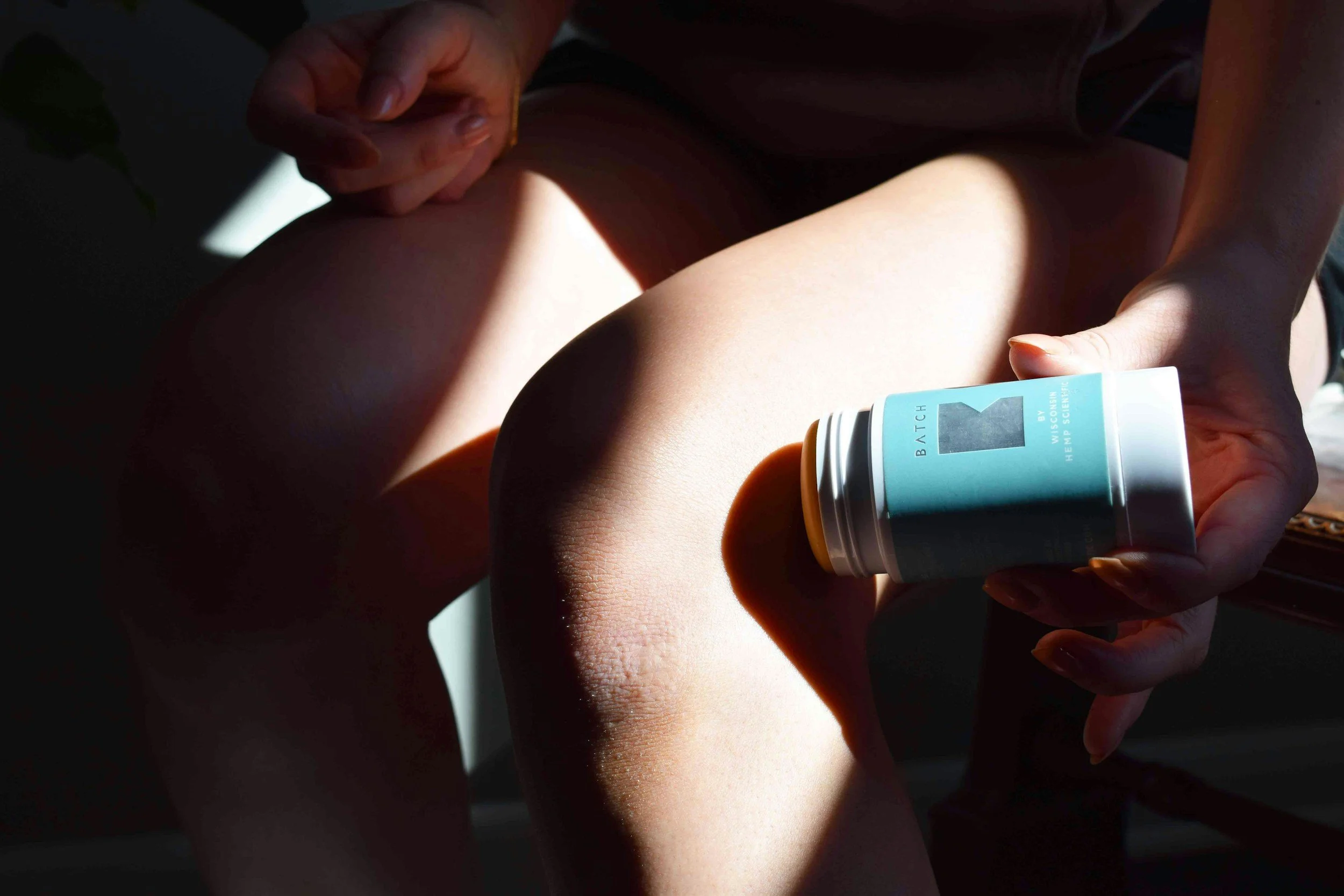
Knee Pain (Meniscus and Overuse Injuries)
Frequent bending, lunging, and abrupt stops put stress on the knees, especially if strength and mechanics are not properly developed. Over time, this can lead to overuse injuries or strain on the meniscus.
Preventing knee pain starts with strengthening the quads, hamstrings, and glutes. Players should focus on controlled movement instead of sudden stops, avoid overplaying without proper recovery, and always warm up before stepping onto the court.
Tennis Elbow (Lateral Epicondylitis)
Tennis elbow is one of the most recognized pickleball injuries. It is caused by repetitive swinging, poor grip technique, and overuse, which strain the tendons in the elbow.
To prevent it, players should use the correct grip size and avoid gripping the paddle too tightly. Engaging the shoulder and body instead of relying solely on the arm can reduce strain. Regularly stretching and strengthening the forearm muscles and addressing discomfort early are key to avoiding long-term issues.
Shoulder Strain
Shoulder strain often results from overhead shots, serves, and improper mechanics that overload the rotator cuff. Without proper preparation, this can quickly lead to discomfort or injury.
Players can reduce their risk by warming up their shoulders before playing, focusing on proper technique rather than power, incorporating rotator cuff strengthening exercises, and limiting excessive overhead repetition, especially when starting out.
Lower Back Pain
Lower back pain in pickleball is typically caused by poor posture, bending from the waist, and a lack of core engagement. These habits place unnecessary strain on the lower back during play.
To prevent this, players should bend with their knees instead of their back, strengthen their core muscles, maintain a strong athletic ready position, and avoid overreaching for balls that are outside their natural range.
Achilles Tendon Strain
The explosive starts and stops in pickleball can overload the Achilles tendon, particularly if players jump into play without a proper warm-up or conditioning.
Preventing Achilles strain involves regularly stretching the calves and Achilles, building lower leg strength gradually, avoiding sudden increases in intensity, and progressively increasing playing time.
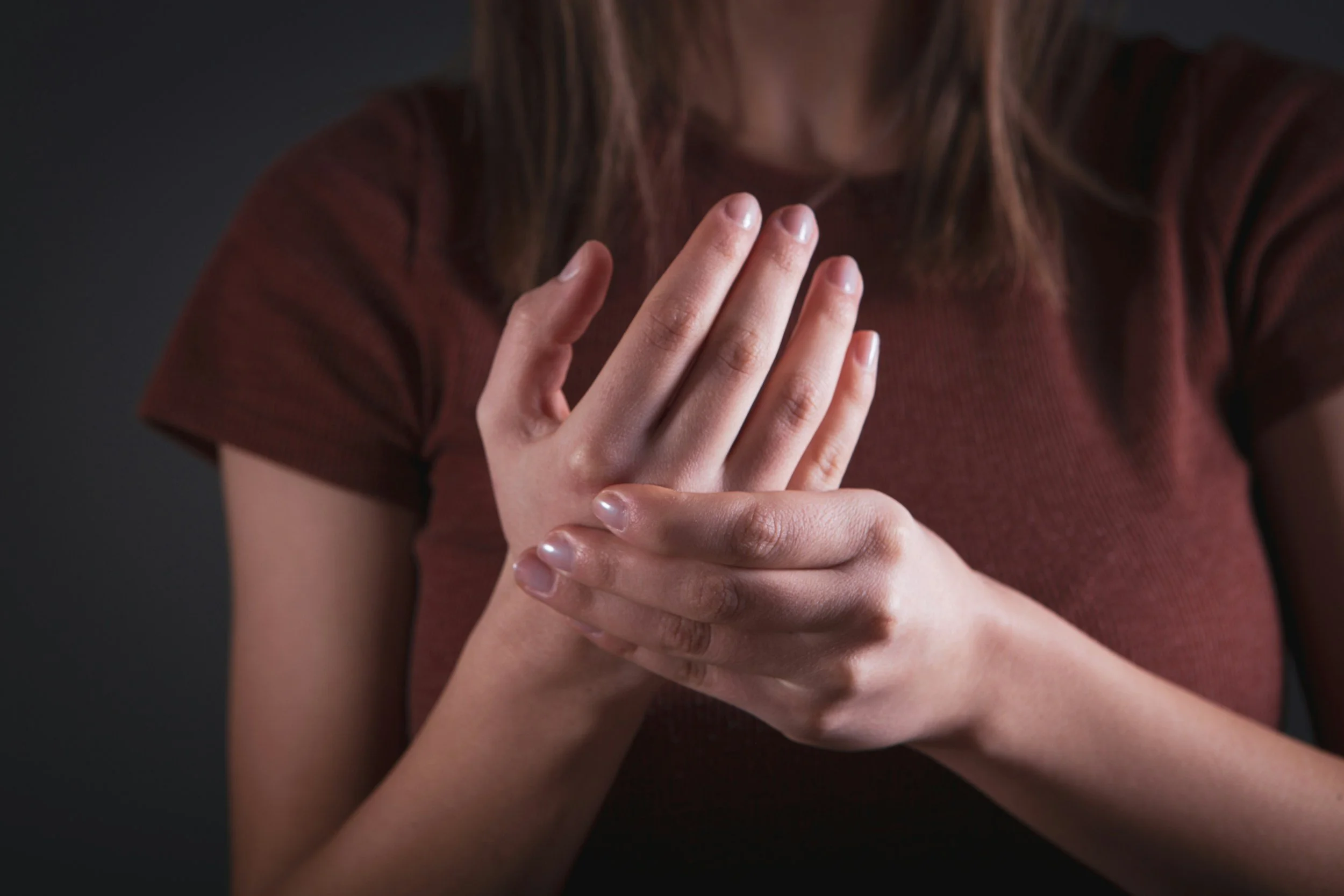
Wrist Strain
Wrist strain is often caused by overusing the wrist during flicks, speed-ups, and improper mechanics. Over time, this can lead to discomfort and reduced control.
Players should focus on minimizing excessive wrist action, using the shoulder and forearm for control, maintaining a neutral wrist position, and strengthening wrist stability gradually.
The Bigger Picture: Injury Prevention Starts Before You Play
Most pickleball injuries do not happen in a single moment. They develop over time as a result of repetitive stress, poor movement patterns, and lack of preparation.
That is why prevention begins before stepping onto the court. Every player should take time to warm up for at least five to ten minutes, cool down and stretch after play, stay hydrated, and listen to their body. Pain is feedback, not something to ignore.
Final Thought
Pickleball is meant to enhance your life, not sideline you from it. The players who stay in the game long term are not just the most skilled. They are the ones who take care of their bodies, move efficiently, and respect the physical demands of the sport.
Play smart, train intentionally, and protect your ability to stay on the court.